
Installing an Electric Vehicle Charger: What to Know
- Linfield Electrical

- Jan 12
- 4 min read
Switching to an electric vehicle (EV) is a smart choice for many reasons. It reduces emissions, lowers running costs, and offers a smooth driving experience. But to get the most from your EV, you need a reliable way to charge it at home or work. Installing an electric vehicle charger is the best solution. It saves time and gives you peace of mind knowing your car is ready when you need it.
In this post, I will walk you through everything you need to know about installing an electric vehicle charger. I will cover the types of chargers, the installation process, costs, and important safety considerations. Whether you are a homeowner, landlord, or business owner, this guide will help you make informed decisions.
Understanding Electric Vehicle Charger Installation
Before you start, it’s important to understand the basics of electric vehicle charger installation. Chargers come in different types and power levels. The most common for home use is the Type 2 charger, which offers faster charging than a standard plug socket.
There are two main types of chargers:
Slow chargers (3-7 kW): These use a standard 3-pin plug or a dedicated socket. They are slower but cheaper to install.
Fast chargers (7-22 kW): These require a dedicated wall box and a higher power supply. They charge your car much faster.
Choosing the right charger depends on your vehicle, your daily driving needs, and your electrical system. A professional electrician can assess your property and recommend the best option.
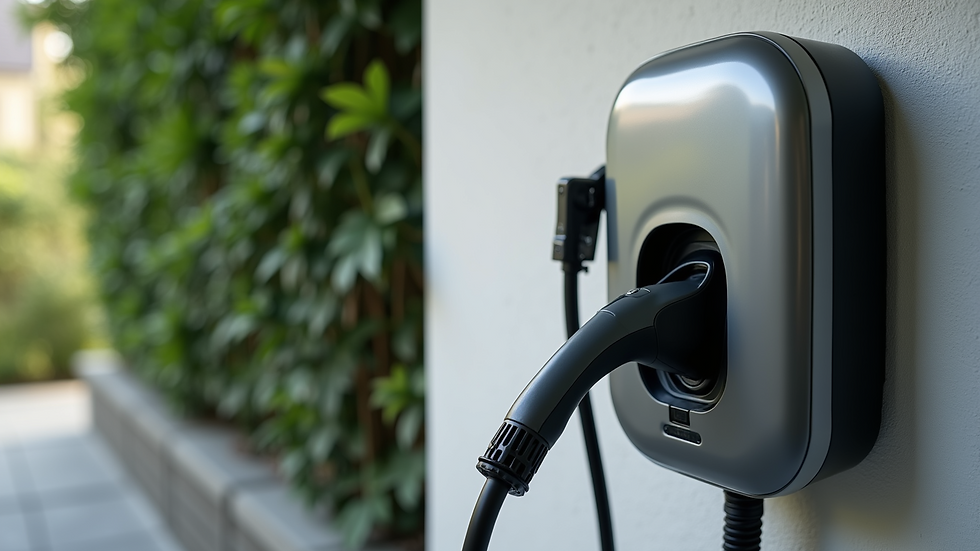
What You Need to Know About Electric Vehicle Charger Installation
Installing an electric vehicle charger involves more than just plugging it in. You need to consider your home’s electrical capacity, the location of the charger, and compliance with safety standards.
Here are the key steps involved:
Site survey: A qualified electrician visits your property to check your electrical system and decide the best place for the charger.
Electrical upgrade (if needed): Some homes may need an upgrade to their consumer unit or wiring to handle the charger’s power.
Charger installation: The electrician fits the charger, connects it to your electrical supply, and tests it.
Certification: You receive a certificate confirming the installation meets UK safety standards.
It’s important to hire a registered electrician with experience in EV charger installation. This ensures the work is safe, legal, and efficient.
Choosing the Right Charger for Your Property
Selecting the right charger depends on several factors:
Vehicle compatibility: Check your EV’s charging capacity. Most modern EVs support fast charging.
Daily mileage: If you drive long distances daily, a fast charger will save you time.
Property type: Detached homes with garages or driveways have more installation options than flats or HMOs.
Budget: Fast chargers cost more to install but offer greater convenience.
For landlords and businesses, consider chargers that support multiple users or smart features like remote monitoring and billing.

Costs and Incentives for Electric Vehicle Charger Installation
The cost of installing an electric vehicle charger varies depending on the charger type and your property’s electrical setup. On average:
Slow charger installation: £300 - £600
Fast charger installation: £600 - £1,200 or more
Additional costs may include electrical upgrades or trenching for cable runs.
Fortunately, there are government grants and incentives available in the UK to help reduce these costs. The Electric Vehicle Homecharge Scheme (EVHS) offers up to £350 towards the cost of a home charger installation for eligible applicants.
Check with your electrician about current schemes and eligibility. Taking advantage of these incentives can make installation more affordable.
Safety and Maintenance Tips for Your Charger
Safety is paramount when dealing with electrical installations. Here are some tips to keep your charger and property safe:
Always use a certified electrician for installation and repairs.
Ensure the charger is installed in a dry, sheltered location.
Regularly inspect cables and connectors for damage.
Avoid using extension leads or adapters with your charger.
Keep the charger clean and free from debris.
Routine maintenance is simple but important. If you notice any faults or unusual behaviour, contact a professional immediately.
Getting Started with Your Electric Vehicle Charger Installation
If you’re ready to install an electric vehicle charger, start by contacting a trusted local electrician. They will guide you through the process, from choosing the right charger to completing the installation.
Remember, a professional installation not only ensures safety but also maximises your charger’s performance and lifespan. For those in Swindon and nearby areas, Linfield Electrical offers expert advice and reliable service for all your EV charging needs.
For more detailed information and to book a consultation, visit electric car charger installation.
Investing in a home or workplace charger is a step towards a cleaner, more convenient future. With the right knowledge and support, you can enjoy the full benefits of electric vehicle ownership.
By following these guidelines, you can confidently plan and complete your electric vehicle charger installation. It’s a practical upgrade that adds value to your property and supports sustainable living.


Comments